Planetary vs. Spiral Mixers: Choosing the Right Tool for Baking

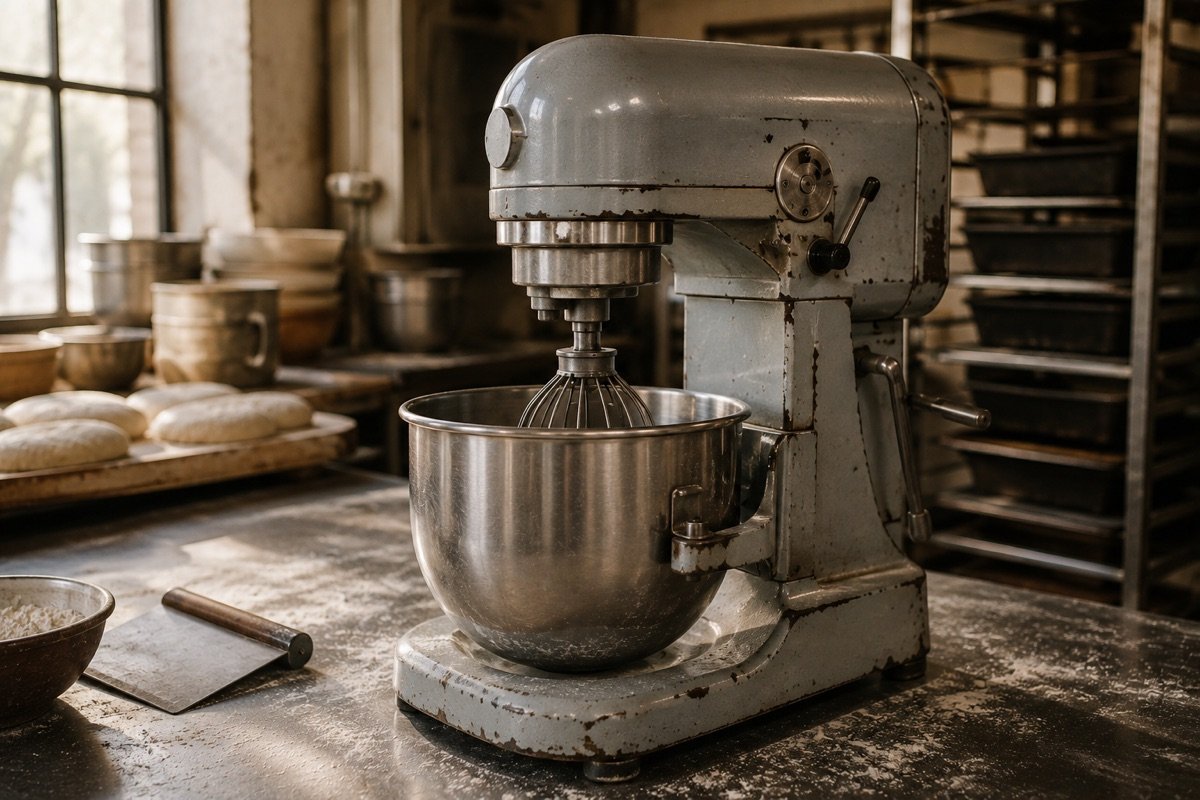
mixer in a kitchen

Choosing the right mixer for your baking needs is crucial for achieving the best results in the kitchen. Both planetary and spiral mixers have unique features that cater to different baking tasks. Planetary mixers are versatile with multiple attachments, making them suitable for a wide range of recipes. Spiral mixers, on the other hand, are specialized units ideal for specific dough types, like bread and pizza, due to their unique rotating bowl design.

Space and batch size are important factors when deciding between these mixers. Spiral mixers are excellent for handling large batches and heavy doughs, while planetary mixers offer flexibility and are ideal for smaller spaces. Each type of mixer brings advantages that align with particular baking requirements, whether it’s artisanal bread or complex pastry creations.

For serious bakers, investing in a quality mixer tailored to their needs can make all the difference. Understanding the distinct capabilities of spiral and planetary mixers helps in making an informed choice that balances performance, space, and budget considerations.

Key Takeaways

  • Planetary mixers offer versatility and multiple attachments.
  • Spiral mixers excel in handling large batches and dense doughs.
  • Mixer choice should consider space, batch size, and dough type needs.

Understanding the Basics of Planetary and Spiral Mixers

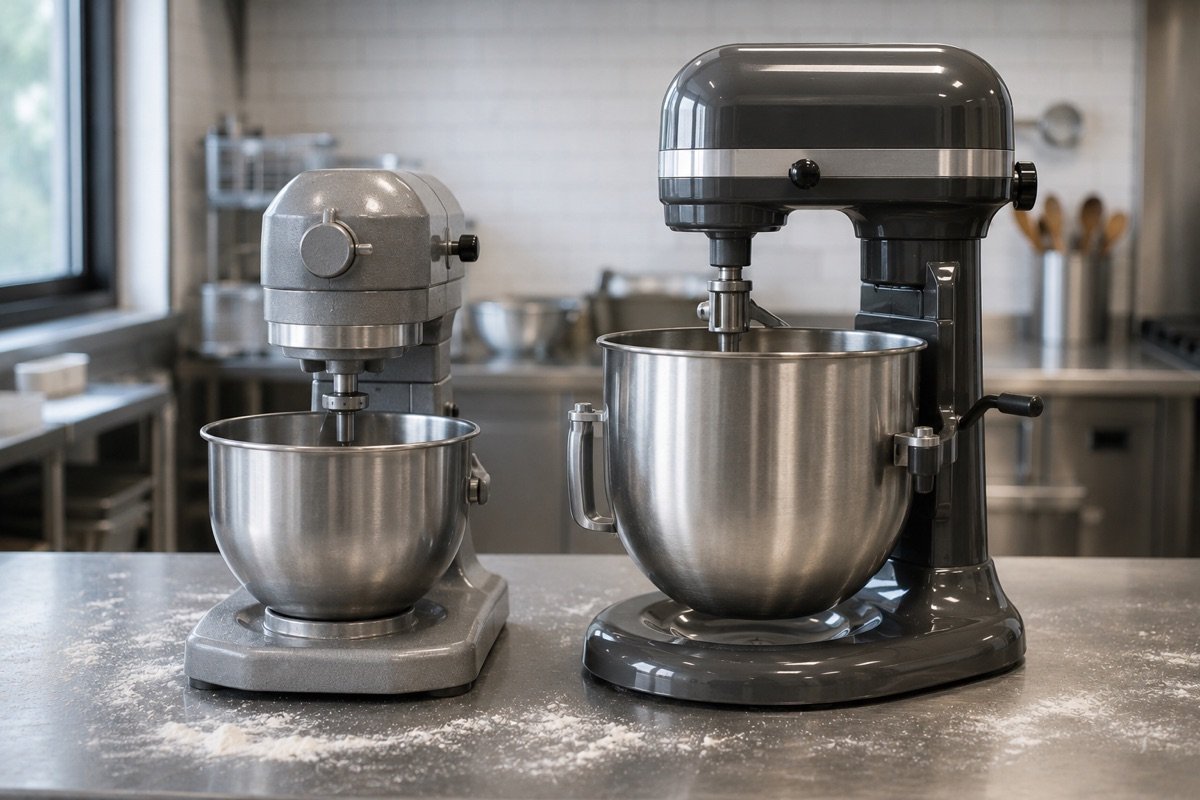
A planetary mixer and a spiral mixer side by side, each with ingredients and a finished dough, surrounded by baking tools and equipment

When choosing between planetary and spiral mixers, understanding their unique features can guide your decision. These two types of mixers have distinct designs and functions that cater to different baking needs.

Key Features of Planetary Mixers

Planetary mixers are known for their versatility and are often referred to as “all-purpose” mixers. The name comes from the way the attachment moves around the bowl, mimicking the way planets orbit the sun. This movement allows for thorough mixing and is especially useful for a variety of tasks.

Attachments for planetary mixers are plentiful. Common options include a dough hook, whisk, and paddle. These tools make planetary mixers suitable for mixing everything from bread dough to cake batter. Their flexibility means that they can handle various mixing needs without switching machines.

The bowl capacity in planetary mixers can range widely, making them suitable for both small and large batches. While larger models might struggle with tiny quantities, they are generally adaptable. This makes them a popular choice in both home kitchens and bakeries that require vertical convenience without occupying much counter space.

Key Features of Spiral Mixers

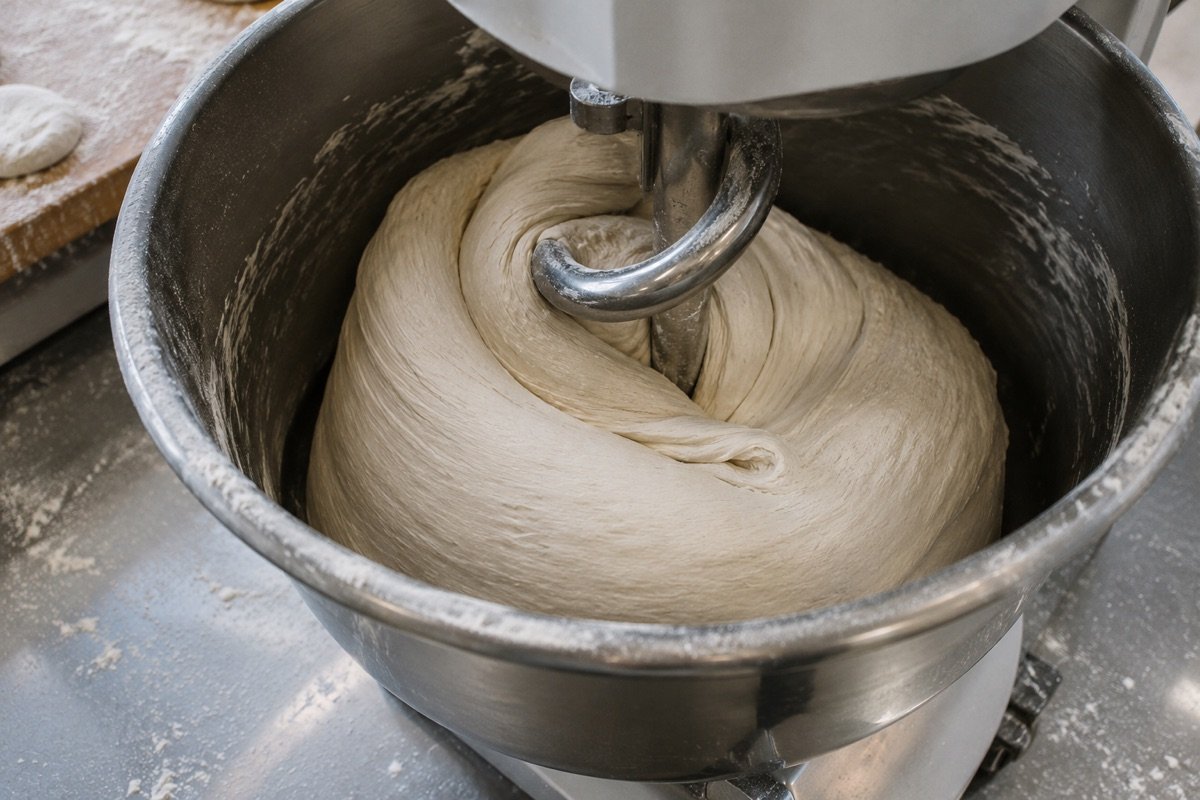
Spiral mixers are designed with a focus on dough, making them ideal for bread and pizza. The hook in these mixers not only rotates but also moves the bowl, which ensures that the dough is kneaded gently and evenly. This design is excellent for keeping the dough temperature low, preserving yeast activity, and creating a strong gluten network.

Spiral mixers usually lack the attachments variety seen in planetary mixers, as they primarily use a dough hook. The bowl capacity of spiral mixers ranges from 18 pounds to several hundred, catering to both small-scale restaurants and large commercial operations. Space should be considered, as these mixers are generally larger and placed on the floor.

Comparing Mixer Performance and Efficiency

A planetary mixer and a spiral mixer side by side, each in action with ingredients being mixed, showcasing their performance and efficiency for baking needs

Choosing between planetary and spiral mixers involves understanding how they perform and how efficient they are for different baking needs. Bakeries need to consider dough quality and batch size when deciding on a mixer.

Dough Quality and Consistency

Spiral mixers excel in producing high-quality dough with consistent texture. The unique mixing action, where the bowl rotates while the spiral hook spins, helps maintain a stable dough temperature. This process enhances the gluten structure, making the dough more elastic and uniform.

In contrast, planetary mixers have a versatile design allowing for different attachments. While they can handle various mixing tasks, they may not always achieve the same dough consistency as spiral mixers, especially for bread dough. They are effective for a broader range of recipes, but for specialized dough, consistency may be compromised due to their orbital mixing pattern.

Volume and Batch Size Handling

Spiral mixers are ideal for large batches and high-volume production. Their efficient mixing capability makes them suitable for bakers needing consistent quality in bigger quantities. Positioned on the kitchen floor, these mixers can handle heavy dough without straining the motor.

Planetary mixers, on the other hand, are versatile in handling both small and large batches. They are popular in general-purpose kitchens due to their adaptability. Although they are widely used commercially, they may not match the efficiency of spiral mixers for continuous, high-volume bread production because they are not as specialized for that purpose.

Suitability for Different Dough Types

A busy bakery kitchen with a planetary mixer on one side and a spiral mixer on the other, both in action with different dough types

Planetary and spiral mixers each have unique advantages for various dough types. Planetary mixers excel with versatile tasks, while spiral mixers shine for specific needs like bread and pizza doughs.

Ideal Mixer for Bread and Artisan Breads

When it comes to bread dough and artisan breads, spiral mixers are preferred. These mixers are designed to handle large volumes of dough, making them perfect for bread-making needs. Their rotating bowls and specialized attachments ensure even mixing and proper gluten development.

Gentle kneading is essential for artisan breads, and spiral mixers provide this by reducing dough oxidation. They’re ideal for specialty breads as well, as they maintain dough quality and texture without overworking it.

Best Choices for Pizza and Bakery Shops

Spiral mixers are also the top choice for pizzerias. They efficiently handle pizza dough, ensuring thorough mixing. The mixer’s motion is designed to keep dough cool, which is crucial for the elasticity needed in pizza-making.

On the other hand, planetary mixers offer versatility for various bakery needs. They can handle cake batter, cookie dough, muffins, and even help with non-dough preparations. Planetary mixers often come with multiple attachments, catering to diverse baking tasks, making them ideal for bakery shops that produce a wide range of products, including bagels.

Attachment Options and Versatility

A busy bakery kitchen with a planetary mixer on one side and a spiral mixer on the other, both surrounded by various attachments and ingredients

The choice between planetary and spiral mixers often comes down to the variety of attachments and the flexibility they offer. Planetary mixers typically have more attachment options, making them a versatile choice for many bakers, while spiral mixers focus predominantly on dough mixing tasks.

Expanding Mixer Functionality

Planetary mixers are renowned for their versatility, mainly due to the range of attachments they can accommodate. Accessories such as a wire whip, flat beater, and spiral dough hook extend the mixer’s capabilities far beyond just dough.

Hub attachments unlock even more potential, allowing the addition of devices like a meat grinder or vegetable slicer. This ability to swap out attachments makes them ideal for kitchens looking to perform a variety of tasks with a single appliance.

Spiral mixers usually focus on dough mixing with specialized attachments. This concentration allows them to excel in consistently producing high-quality dough, especially for artisan bread and pizza.

Planetary vs. Spiral Mixer Attachments

The planetary mixer’s hallmark is its adaptability. It can seamlessly transition from whipping frosting to blending sauces, thanks to its robust stainless steel attachments. The flat beater works well for batters and mixes, while the spiral dough hook handles heavier doughs with ease.

In contrast, the spiral mixer is less about interchangeable attachments and more about efficiency in kneading. Its design, featuring coordinated bowl and hook movements, ensures thorough dough mixing. Although limited in add-ons, the spiral mixer’s specialized focus means it delivers consistently excellent results for dough-centric baking.

Making the Investment: Cost and Kitchen Space Considerations

A spacious, well-lit kitchen with a large countertop showcasing both a planetary and a spiral mixer. Shelves of baking ingredients and utensils line the walls, creating a professional and organized baking environment

When choosing between planetary and spiral mixers, budget and kitchen layout play crucial roles. Consider both the initial price and long-term benefits. Available space and equipment size can also significantly impact kitchen workflow and energy needs.

Price Point and Long-Term Value

Commercial mixers like planetary and spiral models can vary widely in cost. Planetary mixers usually have a lower initial price, making them attractive for kitchens with tighter budgets. Prices can range from a few hundred dollars for basic countertop models to several thousand for heavy-duty versions.

Spiral mixers are generally more expensive upfront but offer value in durability and efficiency, especially for bakeries focusing on large batches of dough. This long-term value should be considered, as energy-efficient models can reduce operational costs over time.

Space Requirements and Equipment Size

Kitchen space is a significant factor when investing in mixers. Planetary mixers are versatile and come in various sizes. They are suitable for kitchens with limited space and varied mixing needs. You can find compact countertop models and larger, floor-standing options.

In contrast, spiral mixers are typically larger and take up more floor space. While they need more room, these machines handle heavy-duty dough more effectively. This makes them ideal for kitchens where bread-making is a primary activity. Make sure to consider equipment placement carefully to ensure efficient workflow and accessibility in your kitchen layout.

Maintaining a Commercial Mixer

person maintaining floor mixer

Maintaining a commercial mixer is essential for ensuring that it gives you years of use. A well-maintained mixer will not only function more efficiently, but it will also save you money in the long run. Regular cleaning and sanitizing, proper lubrication, and regular maintenance tasks are all important aspects of keeping a mixer in good working condition. When a commercial mixer is not properly maintained, it can lead to breakdowns, repairs, and costly replacements. These issues can be avoided by adhering to regular maintenance schedules and by addressing any problems as soon as they arise.

person maintaining floor mixer

Moreover, maintaining a mixer is crucial for food safety and sanitation. A dirty or poorly maintained commercial mixer can lead to cross-contamination, food-borne illnesses and violation of health department regulations. Regular cleaning and sanitizing will help to eliminate bacteria and other harmful microorganisms that can build up on the mixer’s surfaces. Proper lubrication and maintenance will help to prevent mechanical issues that can cause the mixer to malfunction and potentially cause injuries. By keeping a mixer clean and well-maintained, you will not only prolong its life but also ensure that it is safe for use in food preparation.

Importance of regular cleaning and sanitizing

When it comes to cleaning and sanitizing your commercial mixer, there are a few techniques you can use to make the process more efficient and effective. First of all, make sure to unplug the mixer before you start cleaning it. This may seem obvious, but you’d be surprised how many people forget to do this! Next, take out any attachments or accessories, and give them a good scrub down with a brush or cloth and a food-grade sanitizing solution. When cleaning the exterior of the mixer, use a damp cloth and mild detergent. For the interior, use the same sanitizing solution and brush or cloth to scrub away any food particles or stains. Make sure you pay extra attention to hard-to-reach areas like the gears and crevices around the attachments. Once you’re done cleaning, rinse the mixer thoroughly with water and dry it completely before reassembling and using it again. And remember, always check the manufacturer’s instructions for specific guidelines and recommendations on how to clean and sanitize your commercial mixer.

Cleaning hard to reach places

When it comes to cleaning a mixer, some areas can be tricky to reach and clean properly. But don’t worry, it’s not impossible! One thing you can do is to disassemble the mixer as much as possible, that way you can get to those hard-to-reach areas more easily. Take out any attachments or accessories and give them a good scrub down with a brush or cloth and a food-grade sanitizing solution. For the gears and crevices around the attachments, you can use a toothbrush or a small brush to get in there and scrub away any food particles or stains. If you’re still having trouble, you can use a pipe cleaner or a skewer to help you clean those tight spaces. Just be sure to be gentle and don’t force anything, you don’t want to damage any parts. And remember, always make sure to rinse and dry the mixer thoroughly before reassembling and using it again. 

Importance of proper lubrication

Proper lubrication is critical for the longevity of your commercial mixer. Lubrication helps keep the mixer’s moving parts running smoothly and prevents them from wearing out too quickly. Without proper lubrication, the gears and other moving parts in the mixer can start to grind and cause damage, which can lead to expensive repairs or replacements. It’s important to use the recommended lubricant for your mixer and to lubricate all the moving parts, including gears, bearings, and any other areas specified by the manufacturer. You should also check the lubricant level regularly and add more as needed. And don’t forget, always make sure to unplug the mixer before lubricating it. Trust me, you don’t want to accidentally turn it on while you’re working on it! Overall, proper lubrication is a simple and easy task that can save you from costly repairs and prolong the life of your commercial mixer.

Regular maintenance tasks to prolong the life of a commercial mixer

Aside from cleaning and lubrication, there are other regular maintenance tasks you can do to prolong the life of your commercial mixer. One important task is to check for any loose or damaged parts and fix them promptly. This could include things like loose screws, broken gears, or worn out bearings. You should also check the electrical connections, wires, and plugs for any damage and make sure they’re properly connected. Be sure to check and replace any worn or damaged belts. These are all small tasks that can go a long way in preventing bigger problems down the road. It’s also a good idea to keep an eye on your mixer’s performance and keep an ear out for any unusual noises or vibrations. These could be signs of an impending problem. Regular maintenance tasks may seem small, but they can make a big difference in prolonging the life of your commercial mixer.

How to identify and troubleshoot common electrical and mechanical issues

When it comes to identifying and troubleshooting common electrical and mechanical issues on your commercial mixer, the first thing you should do is to pay attention to any unusual noises or vibrations. These could be signs of an impending problem. For example, if you hear a grinding noise, it could be an indication that the gears or bearings need lubrication or replacement. If the mixer is not turning on, check the power source and make sure it’s properly plugged in. If the mixer is turning on but not functioning properly, check the speed control and make sure it’s set correctly. Another common issue is a worn or damaged belt, check the belt for signs of wear and tear and replace if needed. Other signs of mechanical issues could be leakage of oil, or if the mixer is overheating.

If you’re still having trouble identifying or troubleshooting the issue, it’s a good idea to consult the user manual or the manufacturer’s website for troubleshooting tips and recommendations. If the problem persists or you’re not comfortable fixing it yourself, it may be best to call a professional for repairs. By identifying and troubleshooting common electrical and mechanical issues, you can prevent bigger problems down the road and prolong the life of your commercial mixer.

When to call a professional for repairs

When it comes to repairing a commercial mixer, there are certain things that you can do on your own, like cleaning, lubricating and maintaining it. But sometimes, you may come across an issue that you just can’t fix by yourself. That’s when it’s time to call in the pros. If you’re experiencing any electrical issues or if the mixer is not turning on, it’s best to call an electrician. If you’re having trouble with the mixer’s gears, bearings or belt, it’s best to call a mixer technician. If you’re not comfortable troubleshooting or fixing the issue yourself, it’s best to call a professional.

Another good indication that you should call a professional is when the mixer is under warranty, as most warranties require professional repair service. Also, if you’re not sure about the safety of the machine or you have doubts about your ability to fix it, it’s better to call someone to come in a help. Remember, safety should always be a top priority. If you’re unsure about what to do, it’s better to call a professional to avoid any potential damage to the mixer or injury to yourself.

Importance of following safety guidelines

When it comes to using and maintaining a commercial mixer, safety should always be a top priority. Following safety guidelines is important to prevent any accidents or injuries. Read and follow the manufacturer’s instructions and guidelines, including any warning labels or safety precautions. Your staff should be trained on the use of the mixer and are aware of and familiar with the safety guidelines and that they know how to use the mixer properly.

It’s important to verify that the mixer is in good working condition and that all safety features are functioning properly. For example, if the mixer has a safety guard, check that it’s properly installed and functioning. Also, be sure that the mixer is properly grounded and that the electrical connections are secure. Another important aspect of safety is to keep the work area clean and free of clutter, to avoid accidents or injuries.

By following safety guidelines and keeping the mixer in good working condition, you can prevent accidents and ensure that the mixer is safe to use. Remember, safety should always come first, so don’t take shortcuts or ignore safety guidelines.

Safety features to look for in a commercial mixer

When you’re shopping for a commercial mixer, it’s important to keep an eye out for safety features. Some mixers have more safety features than others, so it’s good to know what to look for. One important feature to look for is a safety guard. A safety guard is a barrier that covers the mixer’s moving parts, to prevent any accidents or injuries. A safety switch in another good feature. This switch is designed to automatically shut off the mixer if the guard is removed.

If the mixer is going to be used commercially, an emergency stop button is imperative. This button allows the operator to quickly stop the mixer in case of an emergency. Look for mixers with thermal protection. This feature will protect the mixer from overheating. Anti-slip feet are important and will prevent the mixer from sliding around and make it more stable.

When shopping for a commercial mixer, ensure to check the safety features, it will not only protect the staff but also prolong the life of the mixer. Read and check the manufacturer’s instructions and guidelines for more information on the safety features of the mixer you’re interested in.

Conclusion – maintaining your mixer

Let’s do a quick rundown of why it’s important to keep your commercial mixer in tip-top shape. First of all, regular cleaning and sanitizing is a must. You don’t want any buildup of food particles or bacteria hanging around. Plus, it will make your mixer run more efficiently. Let’s not forget about proper lubrication, that’s key to keeping the gears and other moving parts from wearing out too quickly. Check for any loose or damaged parts and fix them as soon as possible. Trust me, it’s better to address these things early on rather than wait until they become bigger problems. Don’t forget regular maintenance tasks, that way you can keep an eye on the mixer’s performance and catch any issues before they become major headaches. So in short, keeping your commercial mixer in good shape means it’ll last longer and save you money in the long run.

Additional resources for prolonging the life of your mixer

In addition to performing regular cleaning, lubrication, and maintenance, there are other resources and tips that can assist in prolonging the life of a commercial mixer. An important resource is the manufacturer’s manual, which provides detailed instructions on how to operate and maintain the mixer. it is recommended to consult the manufacturer’s website for any updates or recalls.

Invest in quality accessories and replacement parts when needed, as using substandard parts can result in damage to the mixer. Regularly checking the mixer for any signs of wear and tear and addressing them promptly can also greatly prolong its life. It’s advisable to schedule regular maintenance check-ups with a professional technician to ensure that the mixer is functioning at optimal levels and to identify and address any issues before they become more serious. By following these guidelines and resources, you can effectively prolong the life of your commercial mixer, ensuring that it remains a reliable and efficient tool for your business.